After spinal surgery, many patients face the challenge of regaining full mobility and reducing pain. Spinal decompression therapy plays a significant role in supporting post-surgery spinal recovery by promoting healing, reducing pain, and enhancing flexibility without the need for further invasive procedures.
What is Spinal Decompression Therapy?
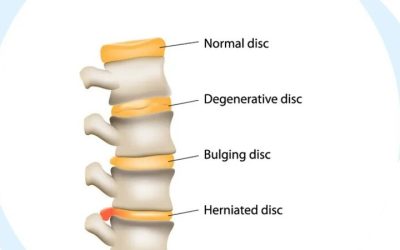
Spinal decompression therapy is a non-invasive treatment designed to relieve pressure on the spine, discs, and nerves. The therapy uses a traction table to gently stretch the spine, which creates negative pressure within the discs, helping to reposition bulging or herniated discs and alleviate nerve compression. This process not only relieves pain but also promotes the natural healing of the spine, supporting long-term recovery.
For individuals recovering from spinal surgery, spinal decompression therapy can provide significant benefits. It helps to restore normal spinal function, reduce pain, and accelerate healing. As a non-surgical alternative, it helps to avoid further procedures that may delay recovery or carry additional risks.
How Does Spinal Decompression Therapy Help with Post-Surgery Recovery?
Spinal surgery, such as discectomy or laminectomy, often addresses issues like herniated discs or spinal stenosis. While these surgeries can be highly effective in relieving acute pain, the recovery process can be slow and painful. Spinal decompression therapy assists in post-surgery recovery by:
- Promoting Healing of Spinal Discs: After surgery, the spinal discs need to heal properly. Spinal decompression therapy helps by increasing the flow of nutrients and oxygen to the affected area, encouraging faster recovery and restoring the disc’s function.
- Reducing Post-Surgery Scar Tissue: Scar tissue can form around the surgical site, leading to stiffness and discomfort. Spinal decompression therapy can help reduce scar tissue build-up by promoting tissue regeneration and improving spinal alignment.
- Restoring Mobility: Post-surgery patients often experience limited range of motion due to inflammation and muscle stiffness. Spinal decompression helps to improve flexibility and mobility by reducing tension in the spine and surrounding muscles.
- Relieving Chronic Pain: One of the most common concerns after spinal surgery is persistent pain. Spinal decompression helps alleviate pressure on the nerves, reducing the risk of ongoing pain and discomfort following surgery.
By focusing on the root cause of spinal pain—compression of the discs and nerves—spinal decompression therapy helps ensure that the recovery process is smooth and effective.
Why is Spinal Decompression Important After Spinal Surgery?
Spinal surgery often corrects underlying structural issues in the spine, but the body still needs time to heal and regain normal function. Spinal decompression therapy accelerates the recovery process by improving blood flow to the injured area, reducing inflammation, and relieving pressure on the discs and nerves.
After surgery, the spine is often weaker and more vulnerable to further injury. Spinal decompression not only aids in recovery but also helps to prevent additional damage to the spine. It can also reduce the need for pain medications, which are commonly prescribed following surgery, and help patients avoid the risk of dependency.
Moreover, spinal decompression therapy is a non-invasive treatment, making it a safer alternative to other post-surgery interventions that may involve medication or more invasive procedures. It works in harmony with the body’s natural healing process, ensuring that the spine is restored to its full function without additional stress.
When Should Spinal Decompression Therapy Be Used After Spinal Surgery?
While spinal decompression therapy can be beneficial for most individuals recovering from spinal surgery, the timing of treatment is crucial. It is essential for patients to consult with their healthcare provider to determine the appropriate time to begin spinal decompression therapy.
Typically, spinal decompression therapy is recommended after the initial healing phase, which usually occurs within a few weeks to a couple of months post-surgery. Early intervention may not be advisable if the spine is still in the early stages of recovery. Once the surgical site has stabilized and inflammation has reduced, spinal decompression therapy can be a valuable tool in restoring full function and alleviating residual pain.
In some cases, spinal decompression therapy may be introduced alongside other rehabilitation treatments, such as physical therapy and chiropractic care, to enhance results and improve overall recovery outcomes.
What Are the Benefits of Spinal Decompression Therapy for Post-Surgery Spinal Rehabilitation?
Spinal decompression therapy provides numerous benefits for individuals undergoing post-surgery spinal rehabilitation, including:
- Faster Recovery Time: By promoting healing and reducing inflammation, spinal decompression therapy helps speed up recovery, allowing patients to return to normal activities sooner.
- Pain Reduction: Spinal decompression alleviates pressure on nerves, which can significantly reduce pain associated with spinal surgery.
- Improved Function: Patients often experience improved spinal function and mobility, allowing them to move more freely and comfortably.
- Prevention of Future Issues: Spinal decompression therapy helps maintain the health of the spine, preventing further injury or degeneration from occurring.
For patients in Mt Pleasant, SC, spinal decompression therapy is a highly effective tool in the spinal rehabilitation process, providing comprehensive care that supports long-term healing and well-being.
How to Get Started with Spinal Decompression Therapy After Spinal Surgery
If you are recovering from spinal surgery and are interested in spinal decompression therapy, the first step is to consult with a healthcare professional to ensure it is the right treatment option for your condition. At Harbor Wellness Co., they specialize in spinal decompression therapy and can help guide you through the process.
To get started, patients can schedule an appointment with a trusted chiropractic partner in Mt Pleasant, SC. During the initial consultation, the healthcare provider will assess your recovery progress, determine the appropriate course of treatment, and develop a personalized plan that aligns with your healing goals.
To learn more about spinal decompression therapy and how it can support your post-surgery recovery, a trusted chiropractic partner in Mt Pleasant, SC is here to help. The team is committed to helping patients achieve a full recovery and return to a pain-free, active lifestyle.