Physical therapy treats a wide range of musculoskeletal and neurological conditions, from chronic back pain to post-surgical stiffness, by restoring movement and reducing pain through targeted exercise and manual techniques. Patients searching for a qualified provider often want to know which conditions are treated and what a typical plan of care involves before booking an appointment.
A physical therapist in Jacksonville, FL, typically works with patients recovering from accidents, sports injuries, or chronic joint pain that limits daily function. Treatment plans are built around the individual rather than a single diagnosis, which allows therapists to adjust exercises and modalities as recovery progresses.
Conditions Commonly Addressed by Physical Therapy
Physical therapists in Jacksonville see a broad mix of orthopedic and injury-related cases each week. According to clinical descriptions from area providers, treatment commonly targets:
-
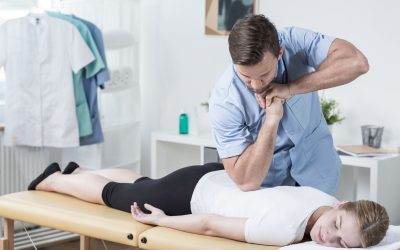
Back and neck pain, including strain from auto accidents or repetitive movement
-
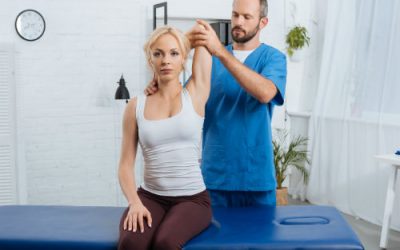
Shoulder and arm pain, often linked to overuse or rotator cuff irritation
-
Hip and leg pain, including issues affecting walking or standing tolerance
-
Arthritis and other degenerative joint conditions
-
Pre- and post-surgical rehabilitation needs
-
General orthopedic injuries from falls, sports, or workplace incidents
Patients treated through physical therapy programs include accident victims and individuals with disabling conditions such as back pain, neck pain, shoulder and arm pain, hip and leg pain, arthritis, pre- and post-surgical rehabilitation, and all orthopedic injuries. Treatment plans focus on the individual rather than just their symptoms, with licensed physical therapists and trained support staff customizing care based on the patient’s condition, activity level, and stage of recovery.
How Treatment Plans Are Built
No two recovery timelines look the same, so therapists rely on a mix of hands-on care and equipment-based modalities. Physical therapy may involve transcutaneous electrical nerve stimulator (TENS) units, iontophoresis, ultrasound, heat or ice treatment, and more active procedures such as stretching, strengthening, and low-impact aerobic conditioning.
The specific mix depends on the diagnosis and how the patient responds during early visits. Common adjustments include:
- Increasing resistance or repetitions as strength improves
- Shifting from passive modalities like heat or ultrasound to active movement
- Adding balance or coordination work for patients recovering from falls or surgery
- Incorporating home exercise programs to maintain progress between visits
Clinical staff, including doctors of physical therapy trained in manual therapy techniques, often draw on specialized coursework to treat orthopedic disorders and support patient education throughout recovery. This individualized approach mirrors guidance from national health authorities: the Agency for Healthcare Research and Quality notes that physical therapy is frequently recommended as a first-line, non-drug option for musculoskeletal pain before considering more invasive interventions.
Why an Integrated Care Setting Matters
Many patients dealing with back, neck, or joint pain also need complementary services such as chiropractic adjustments or pain management support. When physical therapy, pain management, chiropractic care, and auto accident or workers’ compensation services are available under one roof, patients can transition between them more easily, creating a more direct path to pain relief, improved movement, and daily functionality while simplifying follow-up care when pain has multiple underlying causes.
This integrated model can be especially useful for accident-related injuries, where overlapping muscle, joint, and nerve symptoms benefit from coordinated evaluation rather than separate, disconnected appointments.
Comparing Common Physical Therapy Approaches
|
Approach |
Primary Goal |
Typical Use Case |
|---|---|---|
|
Manual therapy |
Improve joint mobility and reduce stiffness |
Orthopedic injuries, post-surgical recovery |
|
Therapeutic exercise |
Build strength and endurance |
Arthritis, general deconditioning |
|
Modalities (TENS, ultrasound, heat/ice) |
Manage pain and inflammation |
Acute injuries, flare-ups |
|
Integrated multidisciplinary care |
Coordinate treatment across specialties |
Auto accidents, chronic multi-symptom cases |
Frequently Asked Questions
What conditions does physical therapy typically treat?
Physical therapy commonly addresses accident injuries, back and neck pain, shoulder and arm pain, hip and leg pain, arthritis, orthopedic injuries, and both pre- and post-surgical needs.
Do I need a referral before starting physical therapy?
Many patients can schedule an appointment directly, though requirements can vary depending on insurance or the specific clinic. It is best to confirm referral policies with the provider before your first visit.
What techniques are used during a typical session?
Sessions often combine hands-on manual therapy with active exercise and supportive modalities such as ultrasound, TENS, or heat and ice, depending on the diagnosis and stage of recovery.
Can physical therapy help after a car accident?
Yes. Many clinics treat accident-related strain, whiplash, and joint pain as part of a broader recovery plan that may include chiropractic or pain management support alongside physical therapy.
Getting Started with Care
Recovering from an injury or managing a chronic condition works best with a plan built around your specific symptoms rather than a generic exercise sheet. North Florida Medical Center provides physical therapy alongside chiropractic and pain management services, giving patients a coordinated option when recovery involves more than one type of care. Anyone dealing with persistent back, neck, joint, or post-surgical pain can benefit from an evaluation that maps out a clear, individualized path toward improved mobility and daily function.