Uneven cooling after HVAC installation usually happens because of issues with system sizing, airflow distribution, ductwork, or equipment setup. A properly installed HVAC system should provide consistent comfort throughout a home, but several factors can affect how evenly cooled each room feels.
When a new system does not deliver balanced temperatures, homeowners may notice certain rooms feeling warmer than others, longer cooling cycles, or areas that receive limited airflow. Understanding the causes of uneven cooling can help identify potential installation concerns and improve overall HVAC performance.
How Does HVAC System Sizing Affect Cooling Balance?
One of the most important factors in HVAC performance is selecting equipment that matches the home’s cooling needs. An HVAC system that is too large may cool certain areas quickly but cycle on and off frequently, while a system that is too small may struggle to maintain comfortable temperatures.
A proper HVAC installation service includes evaluating factors such as home size, insulation, layout, and cooling requirements before equipment selection. Correct sizing helps the system distribute conditioned air more consistently rather than creating temperature differences between rooms.
An experienced HVAC contractor considers the home’s specific characteristics to help ensure the new system is designed for reliable performance.
Can Poor Airflow Cause Uneven Temperatures?
Airflow problems are another common reason some areas of a home remain warmer after installation. Even with properly sized equipment, restricted airflow can prevent conditioned air from reaching certain spaces.
Issues that may affect airflow include:
-
Blocked or restricted vents
-
Improperly adjusted registers
-
Ductwork limitations
-
Incorrect system settings
During HVAC installation services, proper airflow evaluation is an important step in helping the system deliver balanced heating and cooling throughout the property.
How Does Ductwork Impact HVAC Performance?
The duct system plays a major role in how air moves throughout a home. If ducts are poorly designed, improperly connected, or unable to support the new equipment, some rooms may receive too much air while others receive too little.
Leaks, restrictions, and airflow imbalances can reduce the effectiveness of a new HVAC system. In some cases, homeowners may assume the equipment is the issue when the actual concern involves how air travels through the home.
A complete HVAC installation considers both the equipment and the supporting components that influence comfort. This helps create a system that works as a complete setup rather than relying only on the performance of the unit itself.
What Installation Issues Can Affect Cooling Performance?
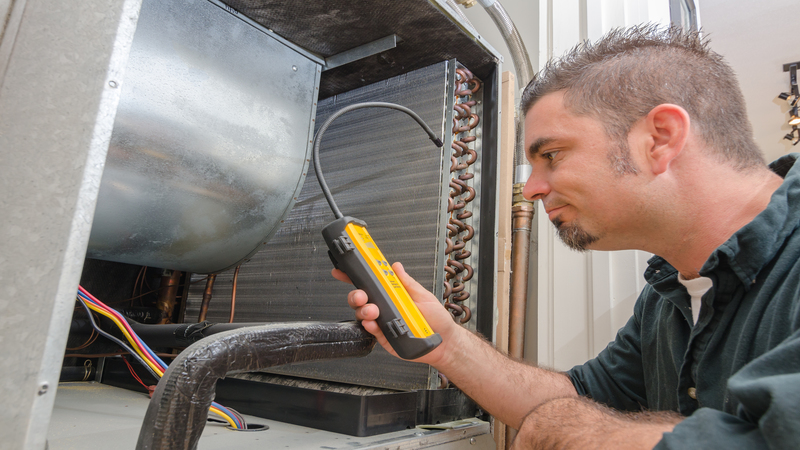
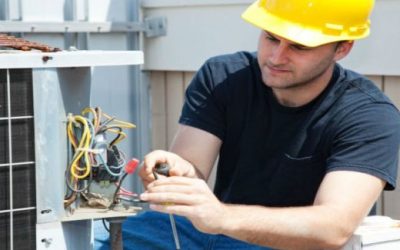
The quality of the installation process can influence how well an HVAC system operates. Even high-quality equipment may not perform as expected if important installation steps are overlooked.
Potential installation-related concerns include:
-
Incorrect thermostat placement
-
Improper refrigerant levels
-
Poor electrical connections
-
Inaccurate system configuration
Homeowners in Chandler, AZ, looking into new equipment can learn more about proper HVAC Installation practices and the factors involved in creating a reliable cooling system.
How Does an HVAC System Replacement Improve Home Comfort?
An HVAC system replacement can provide an opportunity to address problems associated with older equipment, outdated configurations, or changing home needs. However, replacing a system alone does not automatically solve uneven cooling concerns.
The new equipment must be properly selected and installed based on the home’s layout and comfort requirements. A complete replacement process considers the relationship between the HVAC unit, ductwork, thermostat controls, and airflow patterns.
When these components work together, homeowners are more likely to experience consistent temperatures throughout their living spaces.
What Should Homeowners Check When Cooling Is Uneven?
When some rooms feel warmer than others after installation, homeowners can start by observing when and where temperature differences occur. Identifying patterns can help determine whether the issue is related to airflow, room placement, equipment operation, or another factor.
Important details to note include:
-
Which rooms have temperature differences
-
Whether airflow feels weak from certain vents
-
If the issue occurs during specific times of the day
-
Whether the system reaches the thermostat setting
Sharing these observations with an HVAC contractor can help guide the evaluation process and identify possible adjustments.
How Can Proper HVAC Installation Support Long-Term Comfort?
A successful installation involves more than placing new equipment in a home. It requires careful planning, accurate system selection, and attention to how air moves throughout the property.
For Chandler, AZ homeowners, understanding the factors behind uneven cooling can make it easier to maintain a comfortable indoor environment. Proper installation practices, regular maintenance, and timely adjustments all contribute to better HVAC performance over time.
Choosing the right approach for a new system or HVAC system replacement can help homeowners create a more balanced and reliable indoor comfort experience.