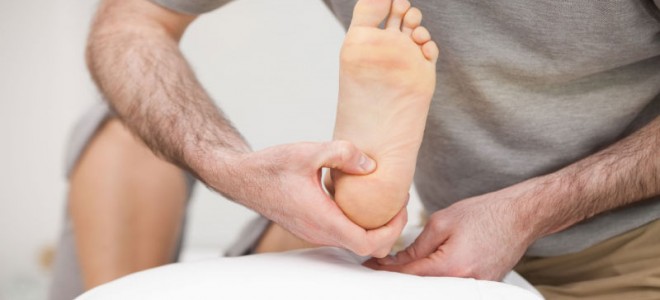
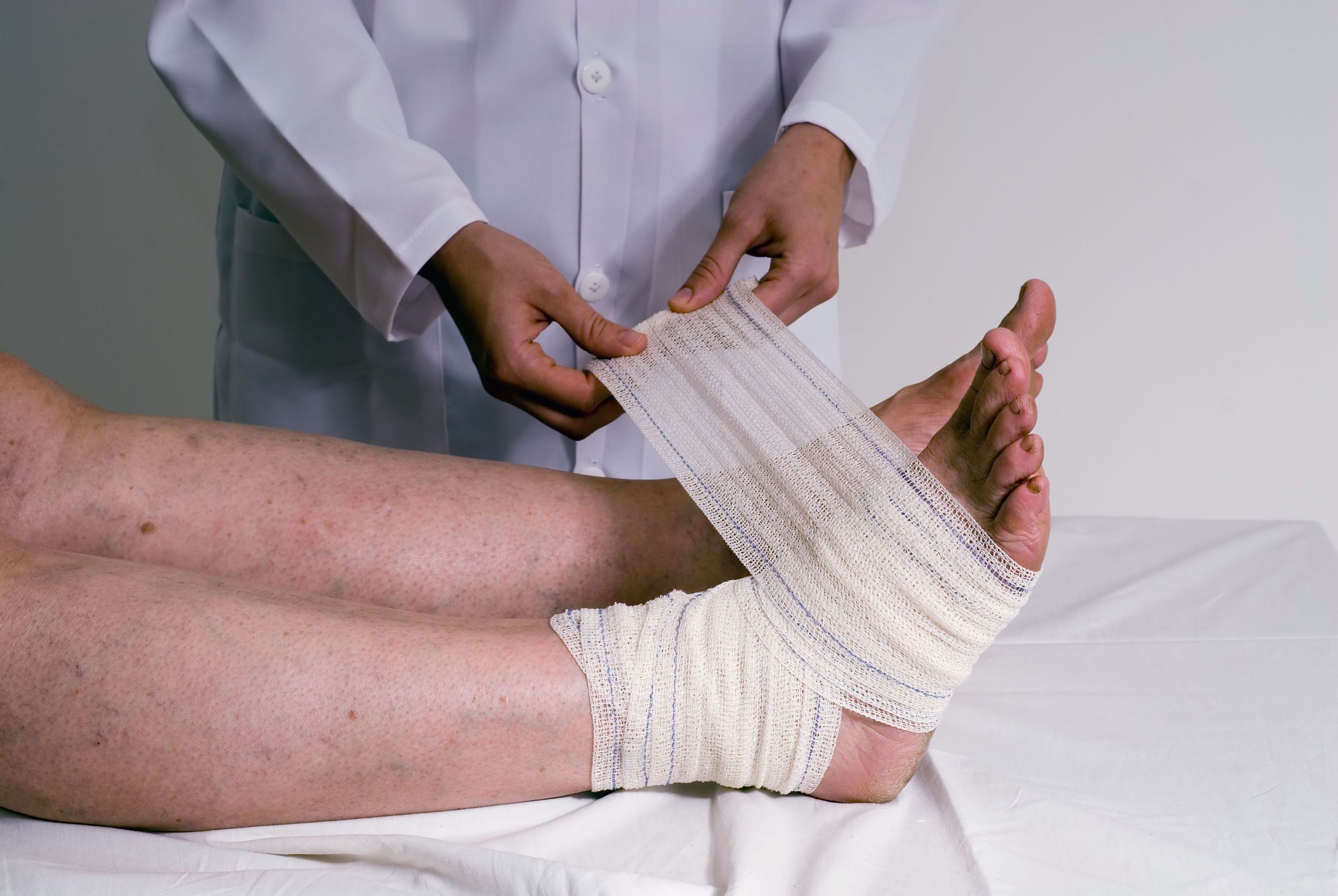
Hammertoe discomfort can increase during prolonged standing because the bent toe is exposed to continuous pressure from the ground and shoe. As time passes, that pressure can irritate the joint, skin, and surrounding tissues, especially when footwear does not provide enough room or support.
The discomfort may develop gradually rather than immediately. Someone may feel comfortable at the beginning of the day but notice burning, aching, or tenderness after spending several hours on their feet.
What Happens to a Hammertoe While Standing?
A hammertoe occurs when one of the smaller toes develops an abnormal bend, usually at its middle joint. The joint rises while the end of the toe angles downward.
This position changes how the toe contacts the shoe. The raised joint may rub against the shoe’s upper material, while the toe tip may press into the insole. Depending on the deformity, pressure may also become concentrated beneath the ball of the foot.
Standing keeps the foot loaded for an extended period. Although walking involves repeated loading and unloading, standing can maintain steady pressure in the same areas. If a hammertoe creates a prominent contact point, the skin and soft tissues may not receive enough relief.
Why Can Symptoms Worsen Later in the Day?
Feet commonly change during a day of standing and activity. Mild swelling can develop, making shoes feel tighter than they did in the morning.
A shoe with limited space may then place more pressure over the raised toe joint. Even a small change in fit can increase rubbing against a corn or sensitive area.
Muscle fatigue may also affect foot position. As supporting muscles become tired, weight can shift across the forefoot. This may increase stress beneath the affected toe or nearby joints.
Heat and perspiration can further contribute to irritation. Moist skin is more vulnerable to friction, particularly when the toe repeatedly contacts a seam or stiff portion of the shoe.
Where Is Hammertoe Pressure Usually Felt?
Hammertoe discomfort does not always occur in the same place. Its location depends on the toe’s position, joint flexibility, footwear, and walking mechanics.
Common pressure areas include:
-
The top of the bent middle joint
-
The tip of the affected toe
-
The space between neighboring toes
-
The ball of the foot
-
Areas where corns or calluses have formed
A corn on top of the toe usually develops from repeated contact with the shoe. A toe-tip callus may indicate that the end of the toe is pressing downward. Pain beneath the forefoot may develop when the toe’s altered position changes how weight is distributed.
Identifying the exact location of discomfort is important because each pressure pattern may require a different approach.
How Does Footwear Affect Prolonged Standing?
Shoes can either reduce or increase hammertoe pressure. A narrow or shallow toe box may crowd the toes and rub against raised joints. High heels shift weight forward, increasing pressure across the forefoot.
Shoes worn for long periods should provide adequate length, width, and depth. The toes need enough room to rest without being forced together or pressed against the shoe’s upper material.
Soft or flexible uppers may reduce friction over a prominent joint. A stable sole can also help support the foot during standing. However, overly worn shoes may lose cushioning and allow pressure to become concentrated in sensitive areas.
Shoe fit should be checked later in the day when mild swelling may be present. A pair that fits comfortably only in the morning may become restrictive after several hours.
Can Custom Orthotics Help With Standing-Related Pressure?
Custom orthotics may help redistribute pressure and support the way the foot functions during standing and walking. They cannot permanently straighten a rigid hammertoe, but they may help address contributing mechanics or relieve stress beneath sensitive areas.
Unlike general inserts, custom made orthotics are created using information about the individual’s foot structure, gait, symptoms, and areas of pressure. The device may include specific accommodations when the ball of the foot or another location needs additional relief.
People considering orthotics phoenix services should have their feet, shoes, and activity demands evaluated together. An orthotic must fit inside the shoe without reducing the space available for the toes. If the device raises the foot too high inside a shallow shoe, it may increase rubbing over the hammertoe.
Custom orthotics are therefore most useful when they are selected for a defined mechanical need and paired with appropriate footwear.
What Can Help During a Long Day of Standing?
Short pressure-relief breaks may help when work or daily responsibilities require extended standing. Sitting briefly, changing position, or walking for a short period may reduce constant loading in one area.
Other practical measures can include:
-
Alternating between standing and sitting when possible
-
Wearing shoes with a wide and deep toe box
-
Avoiding high heels and tapered shoe styles
-
Rotating between supportive pairs of shoes
-
Using professionally recommended padding
-
Checking the toes for redness after removing shoes
-
Following prescribed stretching or strengthening guidance
Protective pads and toe sleeves should not make the shoe tighter. Adding thick padding inside limited space may create more pressure rather than less.
Corns and calluses should not be cut at home. Professional care may reduce thickened skin safely, but pressure management remains necessary to keep the buildup from returning.
When Should Hammertoe Discomfort Be Evaluated?
An evaluation is appropriate when pain repeatedly develops during standing, affects walking, or continues after footwear changes. A toe that is becoming more rigid or difficult to straighten should also be examined.
Prompt attention is important if the skin becomes red, swollen, cracked, blistered, or open. Drainage, bleeding, or dark discoloration beneath a callus can indicate tissue damage.
People with diabetes, neuropathy, or circulation concerns should inspect their feet daily. Reduced sensation may prevent them from feeling the full extent of pressure-related irritation.
Take Steps to Reduce Hammertoe Pressure
Standing-related hammertoe discomfort may signal that pressure is accumulating at the joint, toe tip, or forefoot. Schedule a podiatric evaluation to identify the affected pressure points and discuss whether footwear adjustments, professional callus care, custom orthotics, or another treatment approach may improve daily comfort.