Sitting in the car can aggravate disc-related discomfort because the lower spine often stays compressed, rounded, or unsupported for an extended period. For many people in Gresham, OR, pain that feels manageable at home may become more noticeable during commutes, errands, road trips, or time spent in traffic.
Disc-related discomfort can involve the lower back, hips, buttocks, or legs. In some cases, symptoms may include tingling, numbness, or radiating pain that follows the path of the sciatic nerve. This is one reason some people look into spinal decompression therapy, non surgical spinal decompression, or evaluation from a
sciatica chiropractor when sitting begins to trigger recurring symptoms.
Why Car Seats Can Stress the Lower Spine
Car seats are designed for safety and general support, but they do not always fit every body well. A seat that is too low, too reclined, or lacking lumbar support can place the pelvis and lower back in a strained position.
When the pelvis tilts backward, the lower spine may flatten or round. This can increase pressure through the discs between the vertebrae. Over time, that position may irritate already sensitive tissues, especially if someone has disc-related back pain.
Unlike standing or walking, driving limits natural movement. The body stays in one position while the legs, hips, and spine absorb subtle vibration from the road. This can make stiffness and pressure build gradually, even during a short drive.
How Disc Pressure Can Lead to Radiating Symptoms
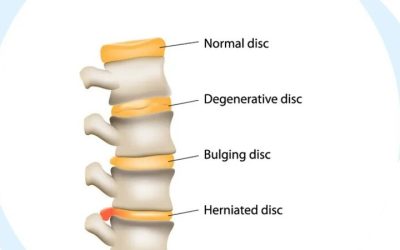
Spinal discs act like cushions between the bones of the spine. When a disc becomes irritated, compressed, or strained, nearby nerves may become sensitive. In the lower back, irritation near the sciatic nerve can lead to pain that travels into the buttock, hip, thigh, calf, or foot.
This type of discomfort may feel different from ordinary muscle soreness. Some people describe it as burning, sharp, electric, or deep aching pain. Others notice numbness, tingling, or weakness after sitting for too long.
A sciatica chiropractor may assess how the lower back, pelvis, hips, and legs are moving together. Since symptoms may show up in the leg but begin in the lower spine, a full movement-based evaluation can help identify contributing factors.
Why Driving Often Makes Symptoms More Noticeable
Driving can combine several triggers at once: sitting, vibration, limited movement, hip flexion, and mental tension. When the hips remain bent for a long period, the muscles around the pelvis and lower back may tighten. This can increase strain on the spine and make disc-related discomfort feel worse.
People may also shift their weight without noticing. Leaning to one side, keeping a wallet in a back pocket, or bracing one leg during traffic can create uneven pressure. Over time, these small habits may affect the back and hips.
In Gresham, daily driving may include stop-and-go traffic, uneven road surfaces, and longer commutes into nearby areas. For someone already dealing with lower back sensitivity, these repeated patterns can make symptoms more frequent.
What Is Non Surgical Spinal Decompression?
Non surgical spinal decompression is a conservative approach that uses controlled traction to gently stretch the spine. The goal is to reduce pressure through targeted areas of the spine and support better disc and joint movement.
Spinal decompression therapy may be considered for certain types of lower back pain, disc-related discomfort, or symptoms that travel into the legs. It is not the right option for every person, which is why a proper evaluation matters before beginning care.
A provider may look at symptoms, movement, health history, and how long the discomfort has been present. This helps determine whether decompression therapy may fit into a broader care plan.
How Spinal Decompression Therapy May Support Disc-Related Pain
Spinal decompression therapy is designed to create gentle space in the spine. When pressure is reduced, irritated tissues may have a better environment for recovery. For people with disc-related discomfort, this may help reduce strain on sensitive areas.
Care plans may also include chiropractic adjustments, mobility exercises, stretching recommendations, and guidance for daily activities. The goal is not only to address discomfort during a visit, but also to reduce the everyday habits that keep aggravating symptoms.
For someone whose pain worsens while sitting in the car, guidance may include adjusting seat angle, improving lumbar support, taking movement breaks, and learning safer ways to enter and exit the vehicle.
Simple Car Adjustments That May Help
Small changes in the car may reduce pressure on the lower spine. Sitting with the hips level or slightly higher than the knees may help keep the lower back in a better position. Using a small lumbar support can also help maintain the natural curve of the spine.
The seat should be close enough to the pedals that the driver does not have to reach. Reaching with the legs can pull the pelvis out of position and increase lower back tension. The backrest should support the spine without forcing the body into a slouched or overly stiff posture.
During longer drives, safe breaks can help. Standing, walking briefly, and gently moving the hips and lower back may reduce stiffness before symptoms intensify.
When to Seek Evaluation for Driving-Related Back Pain
Back pain after a long drive does not always mean there is a serious problem. However, pain that repeatedly returns during or after sitting should not be ignored.
Evaluation may be helpful if discomfort travels into the leg, tingling appears, sitting becomes difficult, or pain affects daily routines. It is also important to seek timely care if symptoms are worsening, spreading, or limiting normal movement.
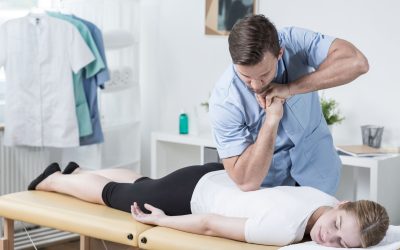
A chiropractor can assess spinal movement, posture, hip mechanics, and nerve-related symptoms to better understand what may be contributing to the pain. This can help guide a care plan that fits the person’s symptoms and lifestyle.
Do Not Let Car Rides Keep Triggering Back Pain
If sitting in the car keeps causing lower back pain, tingling, or leg discomfort, the issue may involve more than simple stiffness. Aspire Chiropractic helps Gresham patients explore conservative options, including spinal decompression therapy and chiropractic care. Visit their website to connect with a chiropractor for back pain and take the next step toward better daily movement.